UNDERSTANDING DIAMONDS
Diamonds have long been admired for their brilliance, rarity, symbolism, and enduring beauty. Whether chosen to celebrate a milestone, mark a commitment, or become part of an heirloom collection, they remain one of the most meaningful gemstones in fine jewelry
Today, shoppers have more choices than ever before. Alongside natural diamonds formed deep within the earth over billions of years, technological innovation has introduced environmentally conscious lab grown diamonds: real diamonds created above ground with the same physical, chemical, and optical properties — offering a modern alternative within fine jewelry.
WHAT MAKES A DIAMOND VALUABLE?
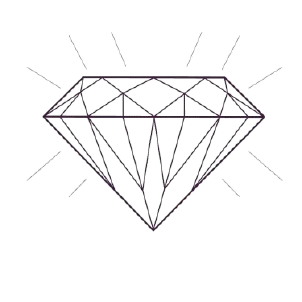
Diamonds are traditionally evaluated using the internationally recognized 4Cs.
CUT
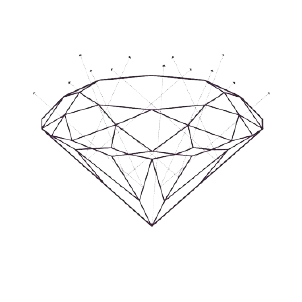
The way a diamond interacts with light, creating brilliance, fire, and sparkle.
CLARITY
The natural internal characteristics formed during growth.
COLOR
The absence of visible color within a diamond.
CARAT
The diamond’s weight, not necessarily how large it appears visually.
NATURAL DIAMONDS
Natural diamonds are formed beneath the Earth’s surface over billions of years through intense heat and pressure. Each diamond forms uniquely in nature, making every stone one of a kind.
Many buyers value natural diamonds for their rarity, geological origin, and long-standing connection to heirloom jewelry and traditional luxury.
LAB GROWN DIAMONDS
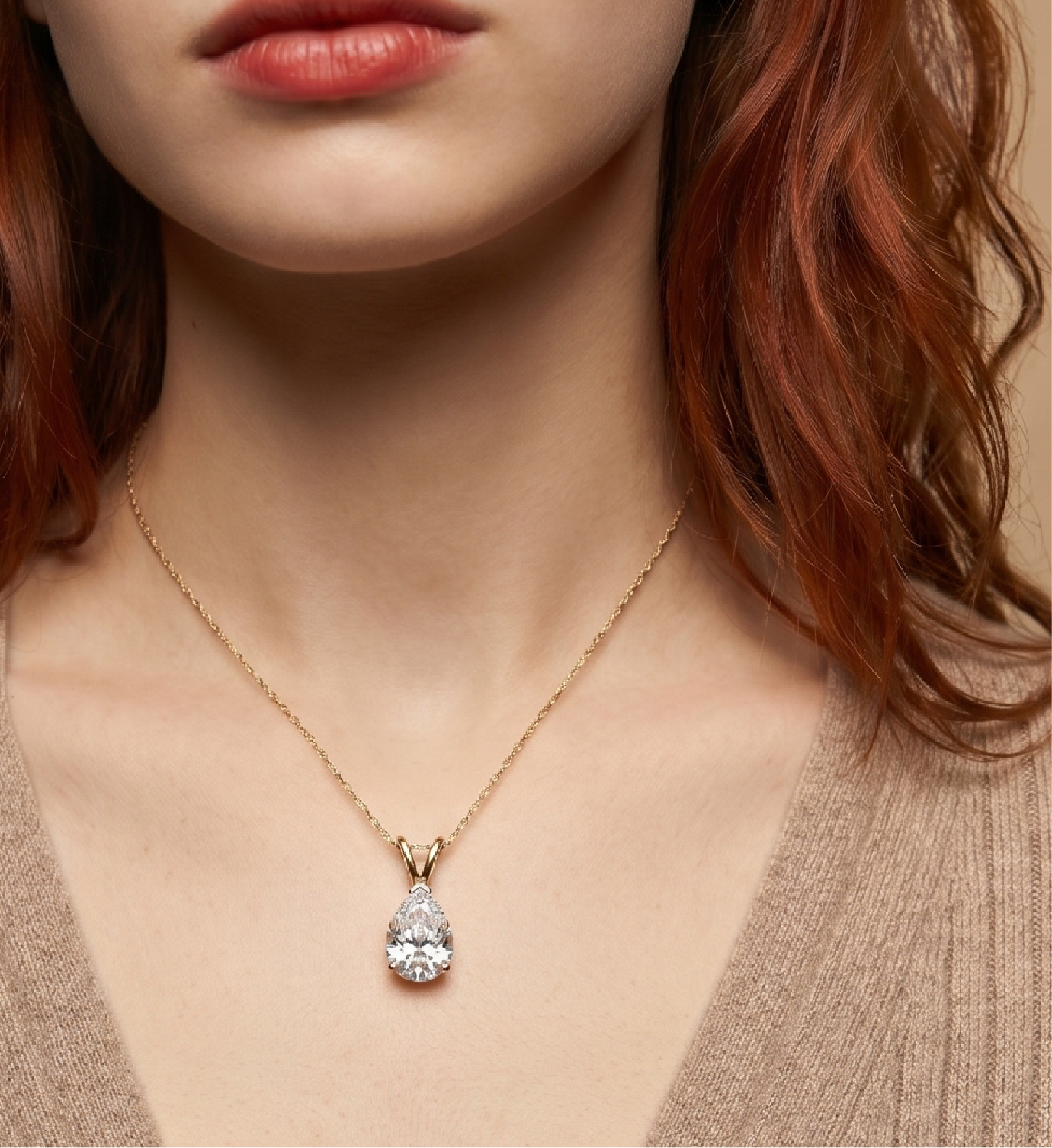
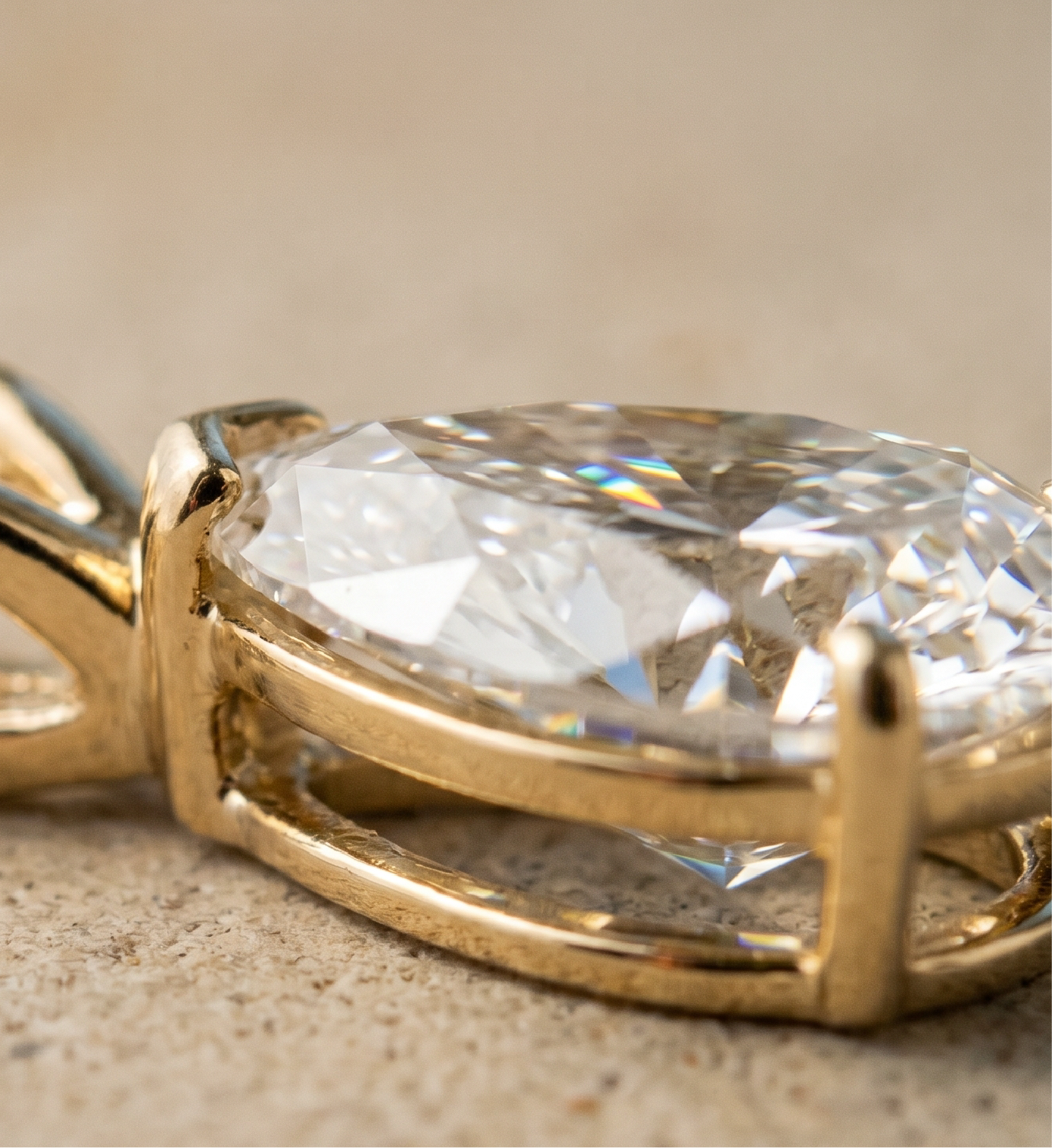
Lab grown diamonds are created using advanced technology that replicates the natural diamond-growing process in a controlled environment.
They share the same:
- Chemical composition
- Crystal structure
- Brilliance
- Hardness
- Optical properties
as natural diamonds
Many buyers appreciate lab grown diamonds for their modern innovation, design flexibility, and accessibility to larger sizes and higher qualities.
NATURAL VS. LAB GROWN
Both natural and lab-grown diamonds are real diamonds. The primary difference is how they are formed.
| NATURAL DIAMONDS | LAB GROWN DIAMONDS |
|---|---|
| Formed within the Earth | Created in laboratories |
| Billions of years old | Grown over weeks or months |
| Geological rarity | Technological innovation |
| Traditional luxury heritage | Modern fine jewelry approach |
Neither option is inherently better — the right choice depends on personal preference, priorities, and what matters most to you.
DIAMOND SHAPES
A diamond’s shape influences its overall personality and style.
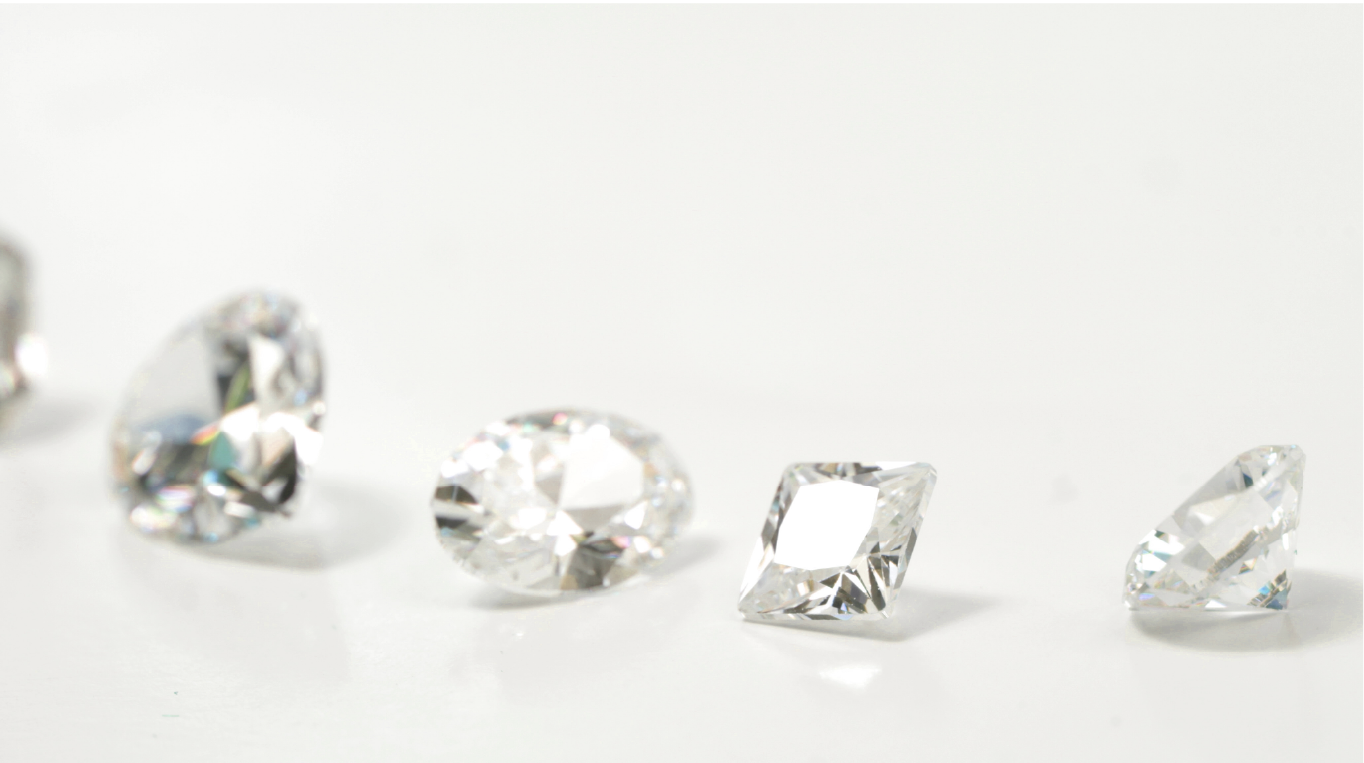
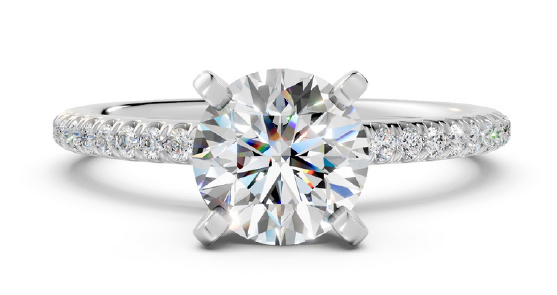
ROUND BRILLIANT
Timeless modern sparkle
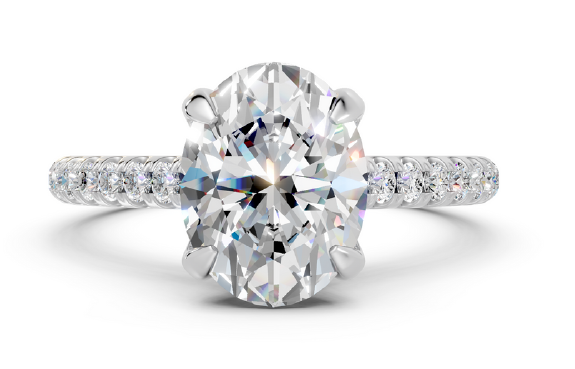
OVAL
Elegant elongated silhouette
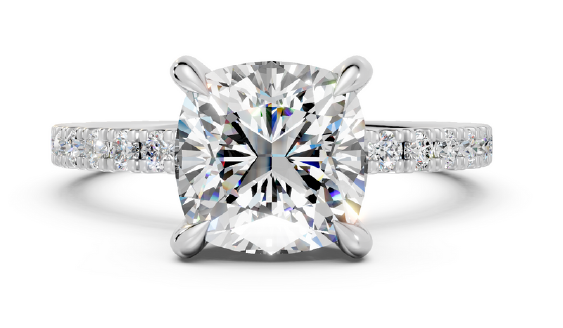
CUSHION
Soft edges with vintage appeal
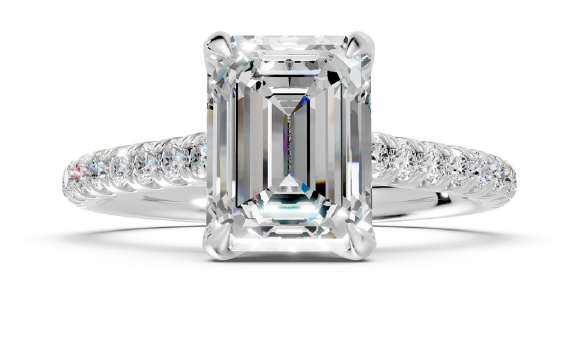
EMERALD
Sleek step-cut sophistication
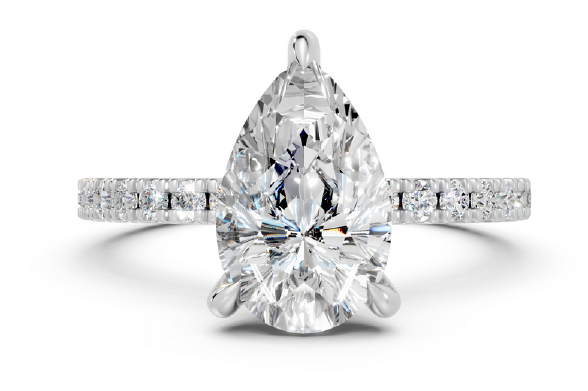
PEAR
Distinctive teardrop shape
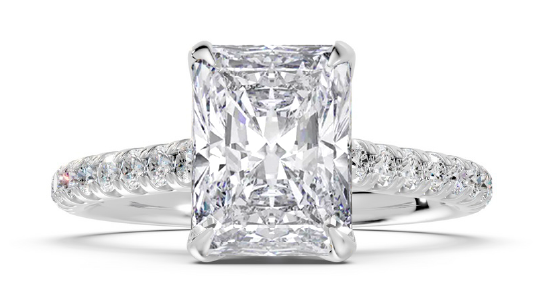
RADIANT
Brilliant sparkle and modern design
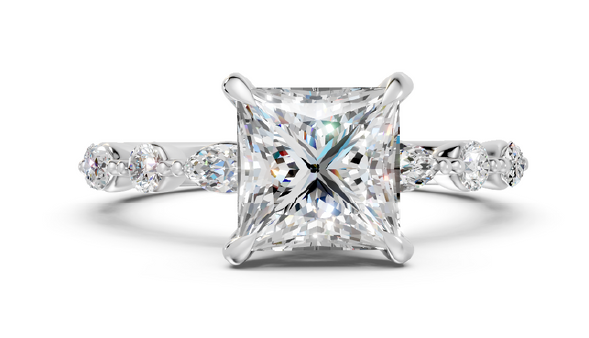
PRINCESS
Sharp contemporary geometry
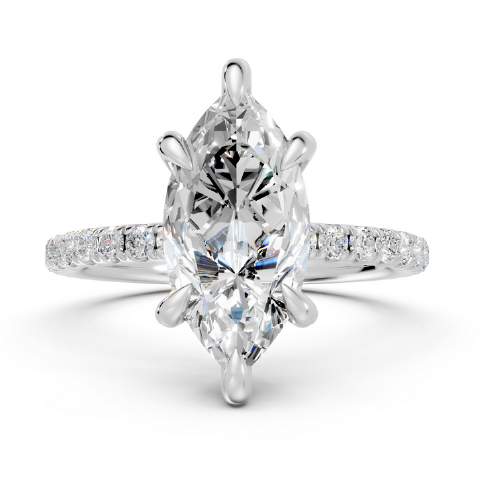
MARQUISE
Elongated shape with dramatic pointed ends
CERTIFICATION & TRANSPARENCY
Diamond grading reports provide an independent assessment of a diamond’s quality and characteristics, helping buyers shop with greater confidence and transparency.
Reports may include:
- 4Cs grading
- Measurements and proportions
- Polish and symmetry
- Fluorescence
- Inclusion mapping
- Laser inscription details
We recommend purchasing certified diamonds whenever possible.
CHOOSING THE RIGHT DIAMOND
Selecting a diamond is personal. Some buyers prioritize natural rarity and tradition, while others value innovation, size, or flexibility in design.
The most meaningful diamond is ultimately the one that feels right to you.
OUR PHILOSOPHY
We believe modern fine jewelry should offer informed choice, transparency, and exceptional craftsmanship.
By offering both natural and lab grown diamonds, we give our clients the freedom to explore the full spectrum of modern fine jewelry — honoring tradition while embracing innovation.